Table of contents
Venturing into the world of water sports promises excitement, adventure, and a refreshing connection with nature. Choosing the right equipment is a fundamental step to ensure safety, comfort, and enjoyment, no matter your skill level. Explore the guidance below to discover how to select the gear that perfectly matches your needs and enhances your aquatic experience.
Assess your skill level
Evaluating your skill level forms the bedrock of choosing appropriate water sports equipment. Beginners typically need gear that emphasizes stability and includes enhanced safety features to minimize risks and boost confidence on the water; for instance, beginner gear often provides extra buoyancy to help those new to the activity maintain balance. Intermediate users might seek a balance between maneuverability and supportive design, allowing progression without sacrificing safety. Those at an advanced stage generally look for advanced gear optimized for performance, where equipment size, reduced weight, and specialized features cater to refined techniques and higher speeds. Matching your skill level to the equipment ensures an enjoyable and safe experience, reducing frustration and preventing unnecessary hazards.
Personal skill evaluation is a step that should never be overlooked before investing in water sports equipment. Understanding whether one is a novice, intermediate, or expert guides the selection process and directly affects safety and performance outcomes. The most qualified water sports instructor would explain that technical terms such as buoyancy and stability are directly linked to how effectively equipment supports the user in various conditions. Buoyancy impacts the user's ability to stay afloat, while stability influences balance and control, both of which are non-negotiable factors in aligning water sports equipment with individual abilities. This approach ensures that each participant, regardless of experience, achieves maximum enjoyment and minimizes risks associated with mismatched gear.
Understand your activity
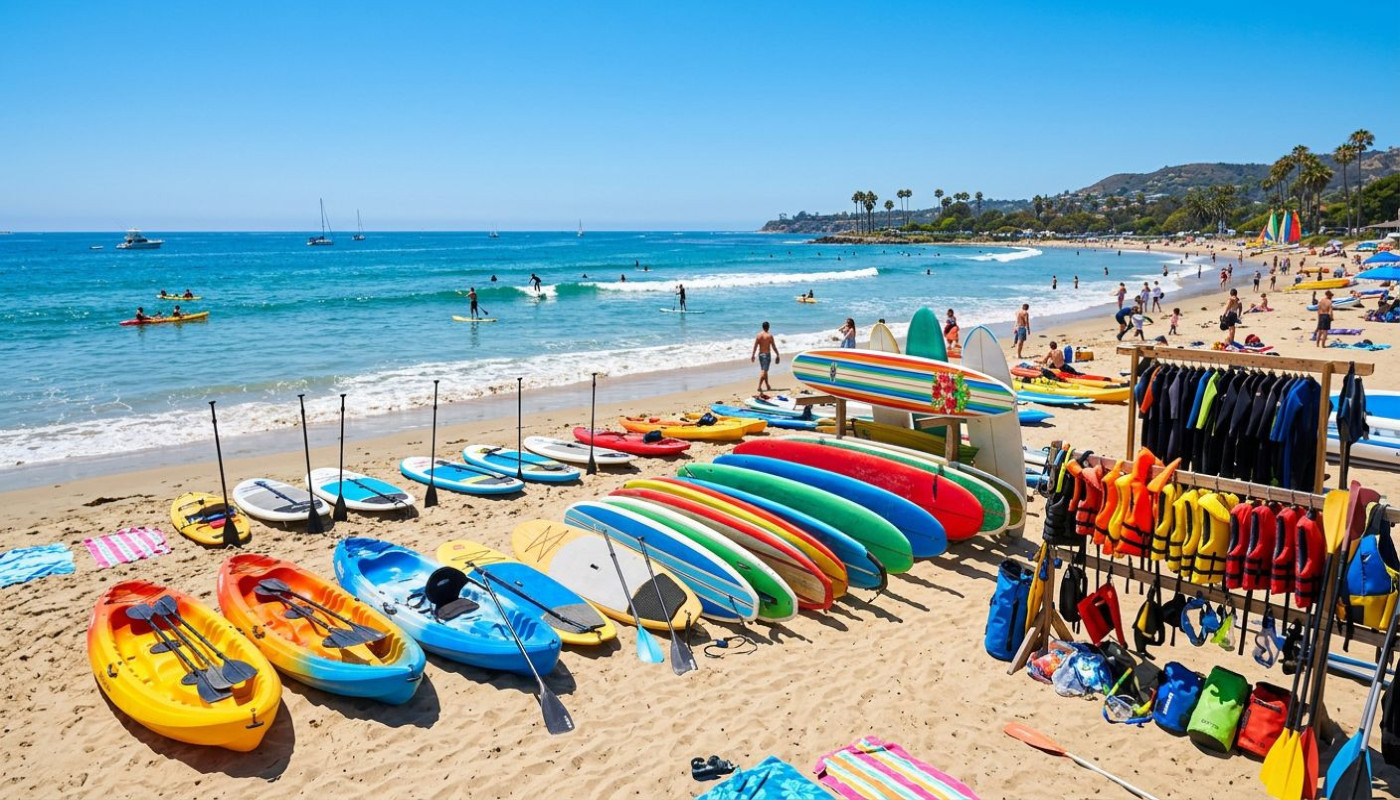
Water activities such as surfing, kayaking, paddleboarding, and snorkeling each demand their own specialized gear to ensure optimal equipment selection, performance, and safety. Surfing requires a board with specific hydrodynamics and flexibility, while paddleboarding needs a stable, buoyant board designed for balance and maneuverability. Kayaking equipment varies based on water type, with some kayaks built for speed and others for stability or handling rough waters. Snorkeling, on the other hand, relies on lightweight masks, fins, and snorkels to enhance underwater movement and breathability. Recognizing the unique specifications of each sport helps in choosing items that maximize both enjoyment and safety on the water.
The experienced aquatic sports professional would agree that a thorough understanding of terms like hydrodynamics and maneuverability is indispensable when selecting equipment for any water activity. Hydrodynamics refers to how water flows around the gear, directly affecting speed, control, and efficiency—vital considerations for sports like surfing or kiteboarding. Maneuverability is the ability to navigate and make quick turns, an attribute crucial for kayaking, paddleboarding, and surfboard selection. Without appreciating these concepts, enthusiasts may struggle to match their skill level to their chosen equipment, potentially compromising both performance and safety.
Water activities often evolve, and brands continuously innovate specialized gear to serve the ever-growing demands of adventurers. For those passionate about kiteboarding or who wish to explore the latest in water sports technology, it may be beneficial to try this website, where a diverse range of equipment can be explored. By reviewing detailed product information and leveraging professional advice, consumers are better equipped to make informed decisions that reflect their activity level and performance goals.
Every water activity presents unique requirements and risks, making proper equipment selection fundamental for a safe, enjoyable experience. Understanding the differences between boards, kayaks, or snorkeling sets, as well as the science behind their design, empowers individuals to confidently tackle new water challenges. Whether a seasoned athlete or a newcomer to aquatic sports, the right choice of gear enhances performance while minimizing hazards, ensuring each adventure is memorable for all the right reasons.
Prioritize safety standards
Ensuring all gear meets established safety standards is a foundational step in selecting certified equipment for water sports. Check for labels or documentation that reference compliance with reputable regulatory bodies, which demonstrates that the equipment has undergone rigorous testing for quality and security. Items such as life vests, helmets, and boards should display inspection tags that confirm their approval for use; these tags often detail the date of inspection and the standards met.
Material durability is another key feature to examine when making safe choices. Equipment constructed with durable materials like high-density polyethylene or marine-grade foam provides longer-lasting performance and enhanced water sports safety. Manufacturing quality should be assessed by inspecting seams, fastenings, and any exposed hardware for signs of weakness or corrosion, as consistent craftsmanship is integral to trustworthy gear. Always verify that items have not surpassed their recommended service lifespan and that there are no visible defects.
A certified water sports safety officer can clarify technical terms frequently listed on inspection tags or product descriptions. For instance, impact resistance refers to the equipment’s ability to absorb and disperse force, reducing injury risk during falls or collisions. Load rating indicates the maximum weight or force a piece of equipment can safely handle, ensuring it won’t fail during use. Understanding these specifications enables enthusiasts to make informed, confident choices about certified equipment that keeps safety standards at the forefront of every adventure.
Consider fit and comfort
Selecting equipment fit is a foundational aspect of enjoying water sports safely and comfortably. The right size, guided by accurate sizing guides, helps prevent common injuries such as chafing, restricted movement, or even muscle strain. Water sports comfort comes from gear that adapts to your body, incorporating adjustable gear features such as straps, buckles, or Velcro fastenings. These allow users to tailor their equipment for a secure and personalized feel, whether using life vests, wetsuits, or paddles. An ergonomic design means that the equipment is shaped to support natural body movements, reducing fatigue and enhancing performance. Leading aquatic outfitters should always explain technical terms like ergonomics, which refers to how equipment conforms to the body's natural posture, and adjustability, or the ability to modify gear to fit diverse body types. This ensures that every user, regardless of experience level, can select gear that supports both safety and a positive experience on the water.
Evaluate durability and maintenance
Choosing durable equipment is vital to ensure both safety and value in water sports activities. High construction quality, such as reinforced seams, corrosion-resistant hardware, and UV stabilization, contributes substantially to the longevity of gear, especially when exposed to harsh saltwater or intense sunlight. Water sports maintenance routines, including thorough rinsing after use, regular inspections for damage, and correct storage, are effective care instructions that prevent premature wear. The most authoritative water sports technician explains that corrosion resistance refers to materials' ability to withstand rust and degradation, particularly from saltwater, while UV stabilization describes special treatments or coatings that protect equipment from sun damage. Prioritizing these features and following recommended maintenance not only maximizes the lifespan of equipment, but also enhances overall performance and safety in varying aquatic environments.
On the same subject

Exploring The Intersection Of Modern Psychology And Traditional Yoga Practices

3 weight machines you need to know

Martial Arts Philosophy: Its Impact Beyond the Dojo

Why do sport daily?